
Shibari
10 Shibari Positions That Will Take Your Breath Away!

Dec
Shibari, known for its intricate rope patterns and artistic beauty, also involves various positions ranging from simple to complex. Each position in Shibari is designed for its aesthetic appeal and the emotional and sensory experience it provides.
Here are some notable Shibari positions:
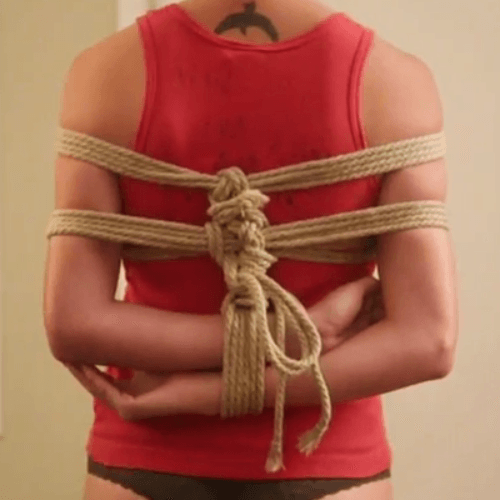
1. Box Tie (Takate Kote/Gote):
– This is an essential and widely used chest harness that binds the arms behind the back. It’s a foundational tie used in many Shibari scenes.
2. Suspension Ties:
– These are advanced positions where the bound person is lifted off the ground entirely. This can include partial suspensions (where part of the body is still touching the ground) or full suspensions.
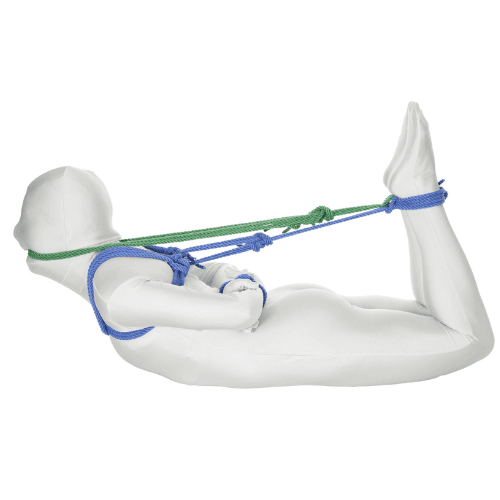
3. Hogtie:
– Adapted from the traditional bondage position, in Shibari, the hogtie involves tying the hands and feet behind the back and may include ropes around the body and limbs in various patterns.
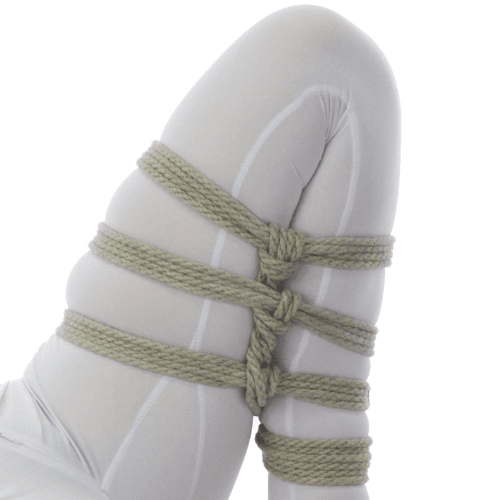
4. Futomomo (Shin to Thigh Tie):
– This position involves binding one leg by bending the knee and tying the shin to the thigh. It can be used in more complex tie or suspension scenes.
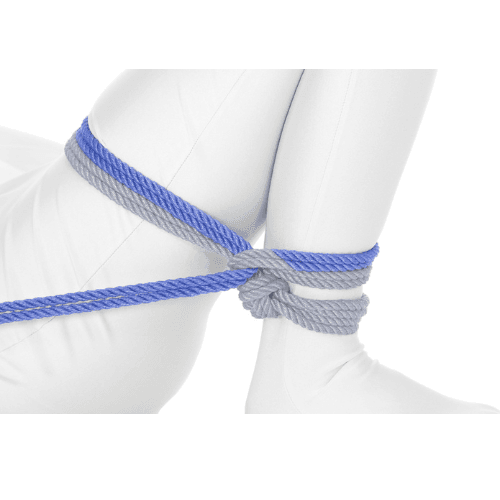
5. Ebi/Shrimp Tie (Sakasa Ebi):
– This is a more challenging position where the bound person’s legs are folded behind them and bent forward, often used in suspension.

6. Bunny/Ears Tie:
– In this playful position, the rope creates ear-like loops around the bound person’s head, often combined with other body ties.
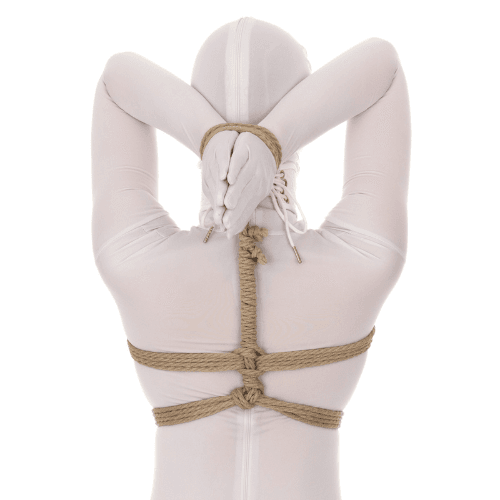
7. Mermaid Tie:
– This involves binding the legs together, mimicking the appearance of a mermaid’s tail. It can be combined with other upper-body ties.
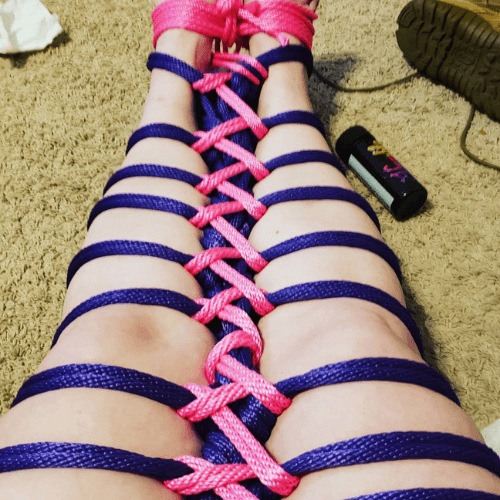
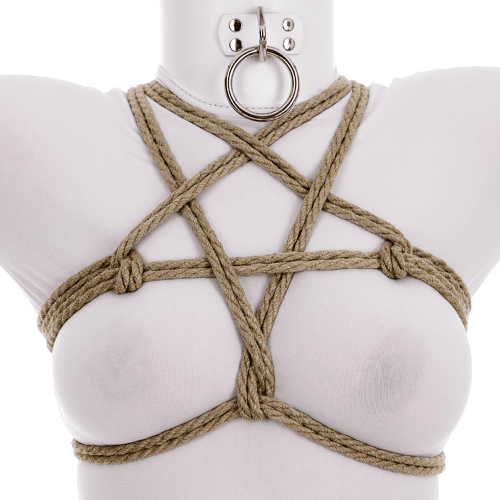
8. Decorative Body Harness:
– These are not necessarily restrictive but focus more on the aesthetic, following the body’s contours with intricate rope patterns.
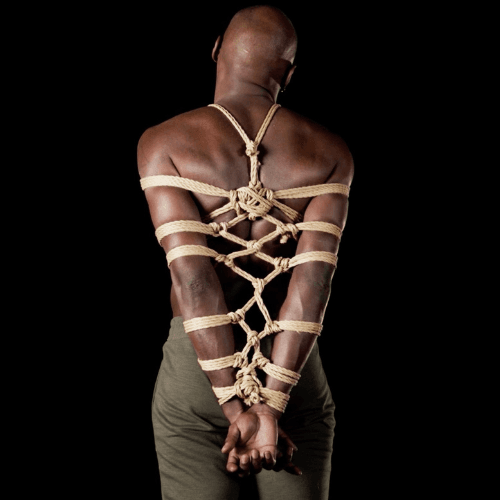
9. Strappado:
– This position involves the arms being tied behind the back and lifted upwards, which can be intense and should be approached with caution.
10. Teppo Shibari (Rifle Tie):
– A tie that positions one arm straight along the back with the other arm bent, resembling the shape of a rifle.

It’s important to remember that Shibari, especially in more complex or suspension positions, requires a deep understanding of anatomy, rope techniques, and safety precautions. Practitioners should approach Shibari with respect, patience, and a commitment to continuous learning and communication.
